
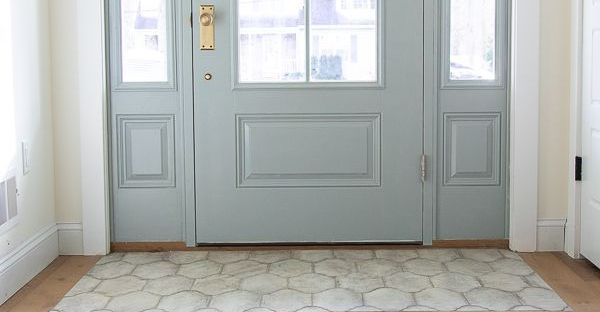
Plank flooring is one of the easiest DIY flooring options. This includes vinyl plank, laminate, cork, and some engineered hardwood. However, once you have purchased your preferred plank flooring, you will need to know where to start. You may think this part is easy, but the direction in which you lay your floor dictates the style of your whole space.
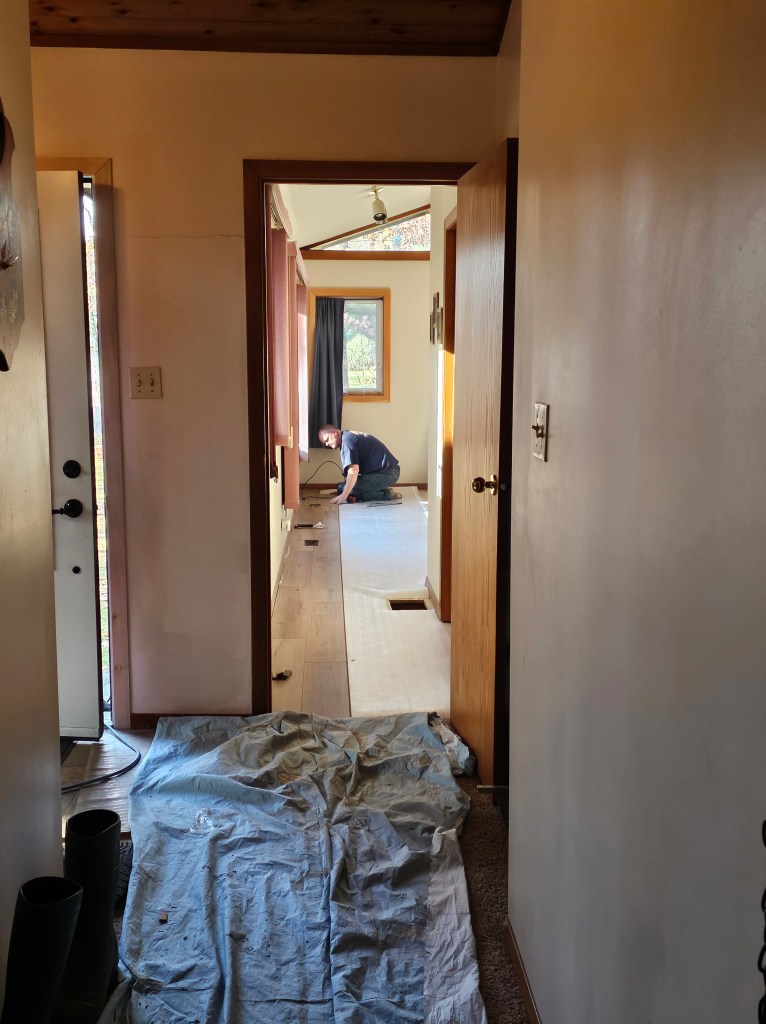
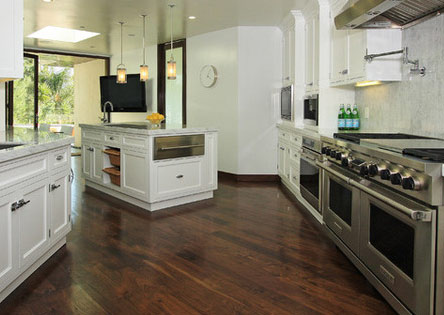
The most traditional way to lay plank flooring is parallel to the longest wall in the room. This creates the illusion that your room is longer than it is. Installing the planks this way also gives the room a sleek look, especially when using wide planks. I love the way that this looks, and personally have very rarely installed plank flooring opposite to this style. However there are a few contradictions to this rule.
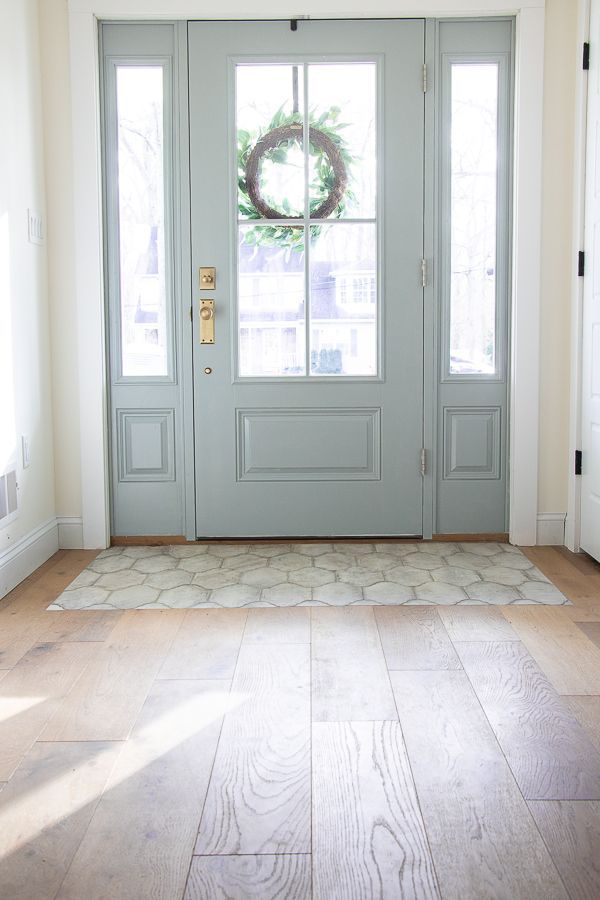
If your front door opens right into your main living space, it is a good rule of thumb to run you planks perpendicular to, or away from, the front door. By doing this you avoid opening the door to see the lines of your rows, and instead you see nice neat rows running away from the door.
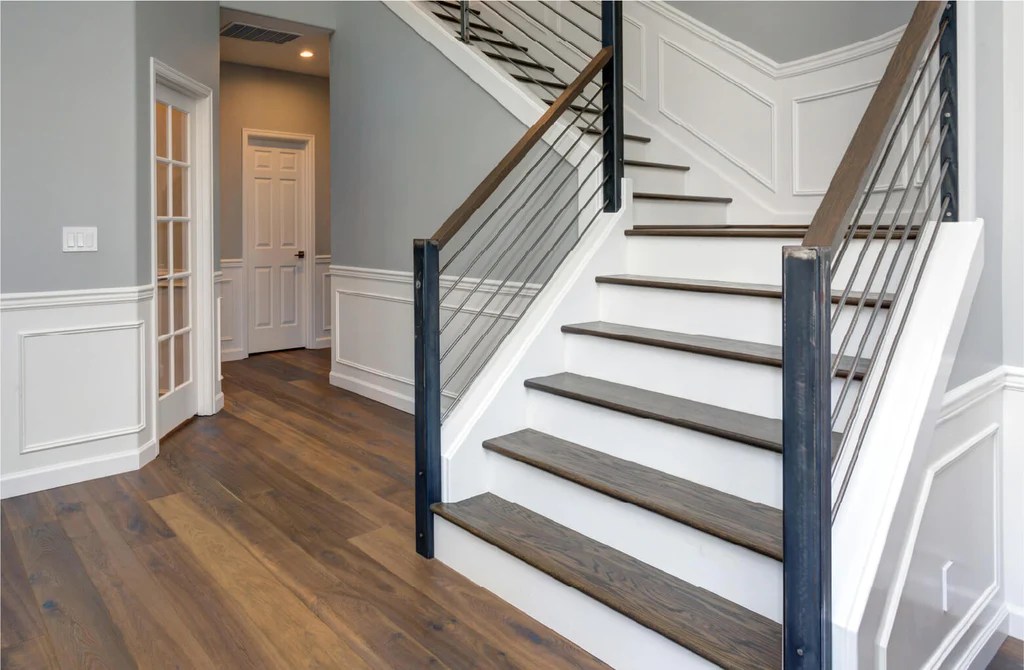
Similarly, if you have stairs connecting to that room that you are also installing the same planks, you should run them all the same way. Running your planks parallel to the steps creates cohesion.
If your room is oddly shaped, or has some odd angles, you may want to consider laying your planks on a diagonal. This hides those strange corners and helps to distract if your walls aren’t completely straight. The diagonal look is also very modern.
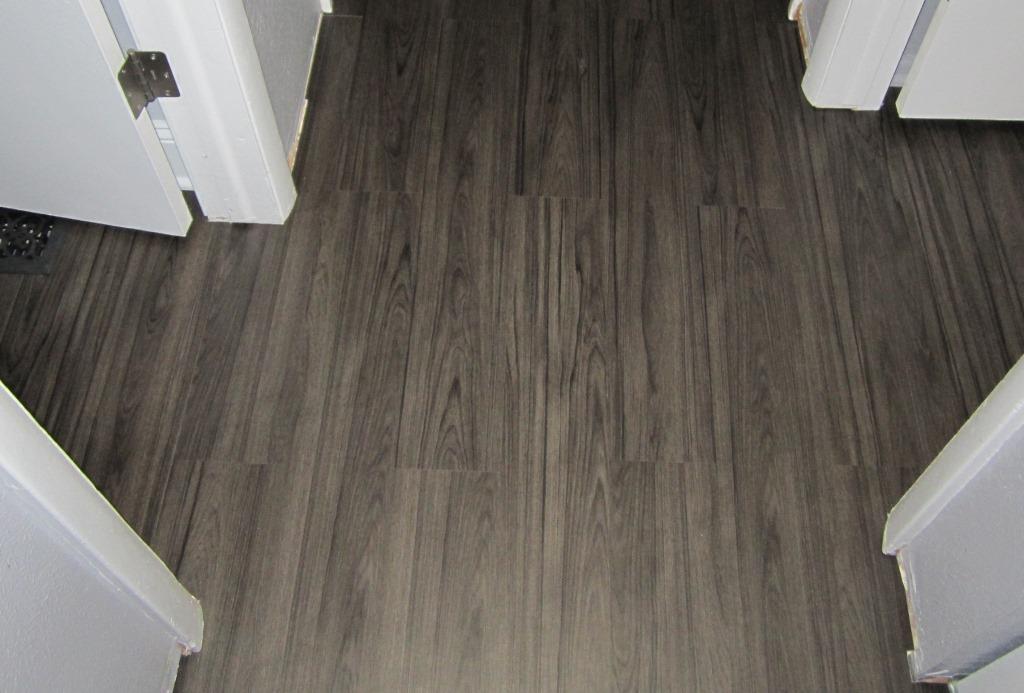
When you have a room that is connected to your main space, you will want to run your planks in the same direction as that room if at all possible. Sometimes that means running your boards along the shorter walls in that room, but the visual of one continuous row is sharp and is worth it in the long run. Even if you are using a transition strip between rooms, the continuation makes a big difference.
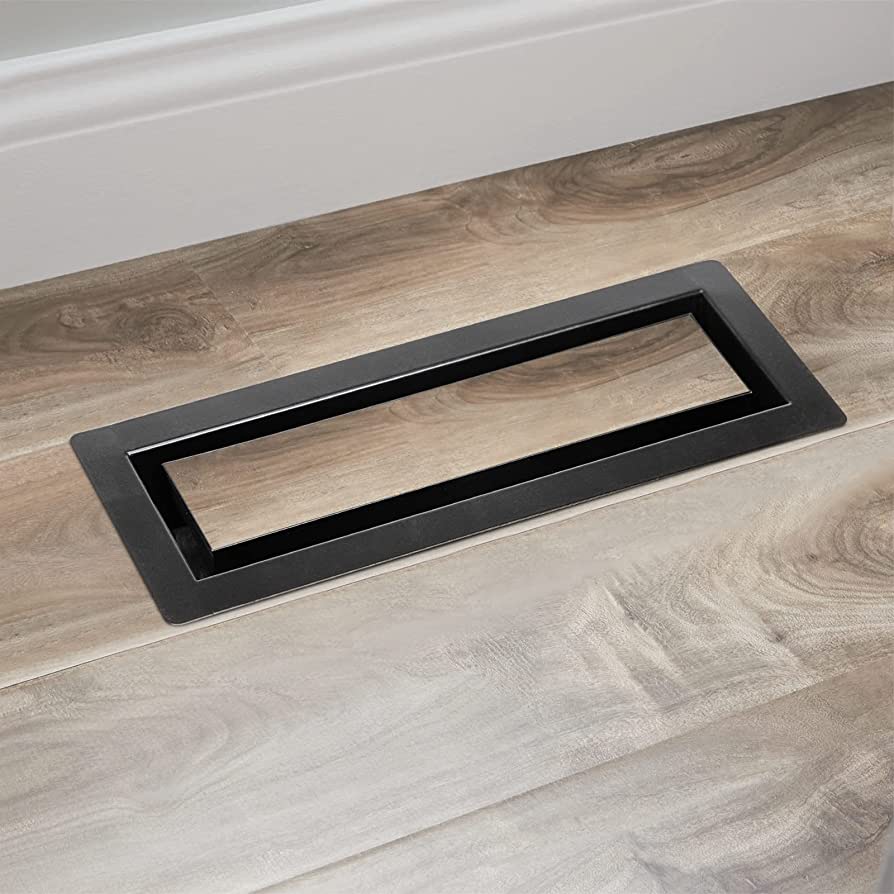
You should always check to see if you’ve got lots of floor vents in a room. Usually, they are along your longest walls as well, but it’s good to keep in mind that they look nicer if the vent cover runs along the plank, as opposed to against it.
Most of these exceptions aren’t all that limiting. You can usually still follow your longest wall, and keep that sleek look. And all of these are guidelines and suggestions, the way you lay your planks is entirely up to you. If you would like some advice, or if we have inspired you to start your own DIY project, come on into the store and pay us a visit, or contact us! We would love to help you decide how to lay “What’s under your feet!”
 What's Under Your Feet?