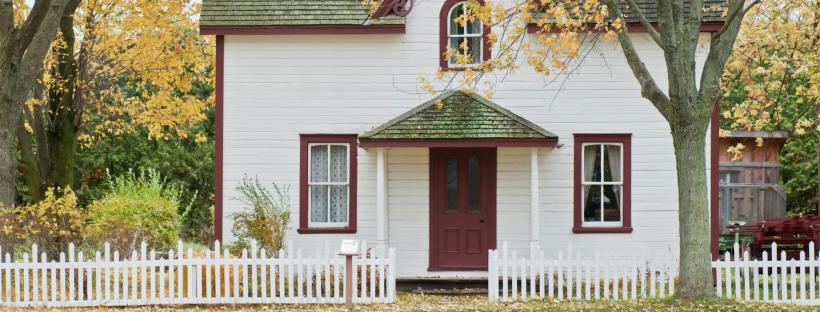
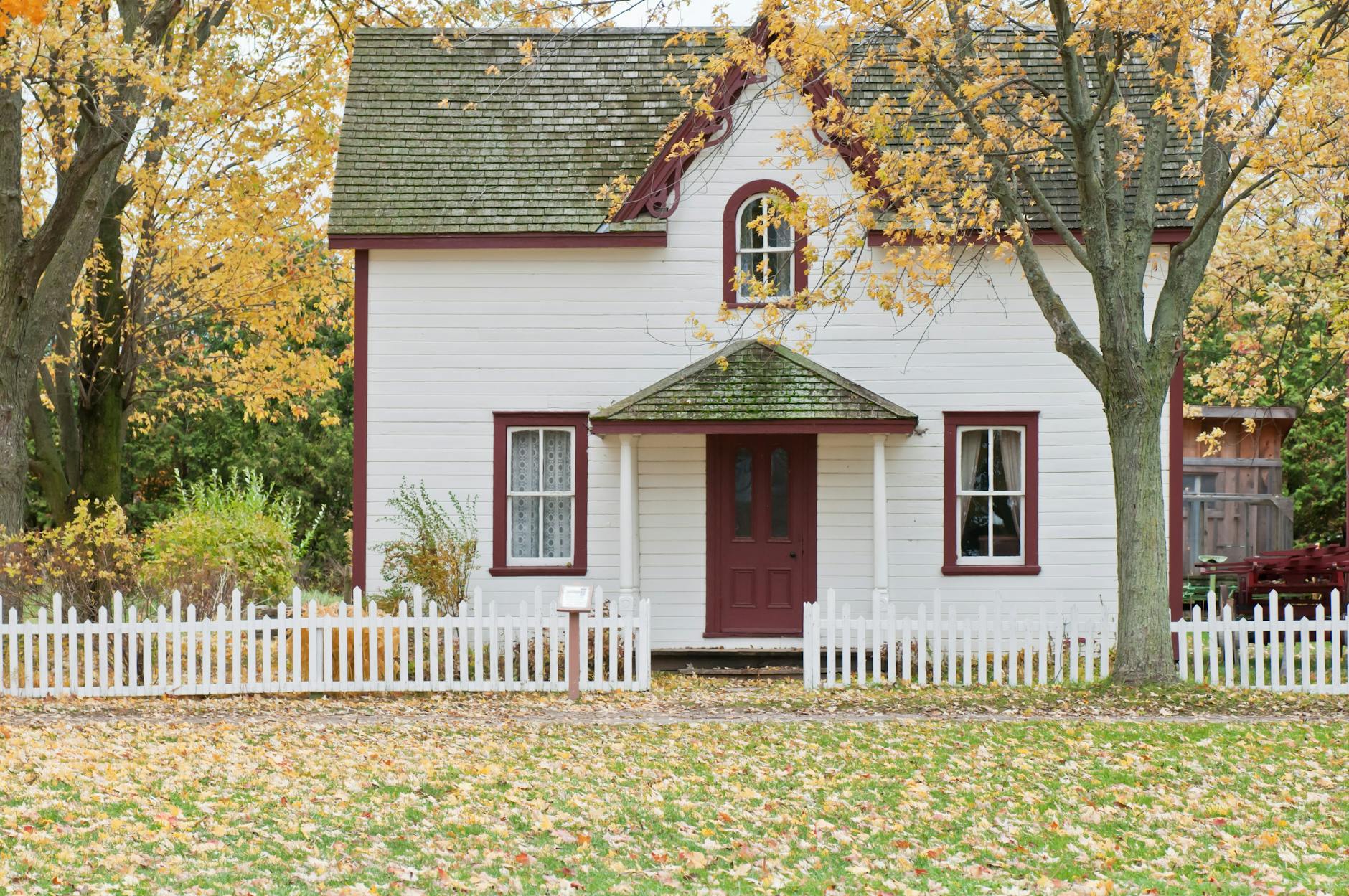
We love our little town of Stirling. And we love all of the houses, both within and surrounding town. But even as new homes are built and our town expands, our primary business is with people who have lived in their houses for years or are moving into existing houses. Most small-town houses are older, some midcentury, wartime, and even some beautiful century homes. You might be thinking, “Our house isn’t THAT old, we bought it new in the nineties!” I am sorry to have to tell you this, but the nineties began 34 years ago, and in house years, that is bordering on old. We love to encourage people to look ahead to the future of interior design, but most of these “new, modern looks” revolve around new homes in or around bustling cities, and are just not realistic for small-town living. This is not to say that an older home cannot be beautiful, but there may be some limitations surrounding what types of flooring you can put in older homes. As a house ages, the building materials themselves expand, contract, shift, and sink with time and temperature. Heat and humidity can do a number on a house, especially here in southern Ontario. What was a great floor when the house was built 40+ years ago, may be a less than great choice now that the house is beginning to show its age.
Do not fear! There are lots of options for new flooring in older homes. Most of these even go along with current trends in interior design. Lets look at the Best flooring choices for older homes!
Glue Down Vinyl Tile

Luxury Vinyl Tile (LVT) is one of our favourite products for (almost) any room in any house. It is incredibly durable, and with the limestone/vinyl composite core, it is stable to temperature changes, and very flexible. This makes it perfect for uneven subfloors. LVT is glued right onto any subfloor that you’ve got, with minimal preparation, though if you wish to protect your original floors, it can be installed on top of a fiberglass underlay. LVT looks nearly identical to real tile, and can be installed with or without grout, though the grout does make it look more realistic. We use an acrylic grout with our LVT for a couple of reasons. Acrylic grout has a built in stain blocker, and it is very flexible so it wont crack if your subfloor shifts, or the tiles expand and contract. LVT also comes in many different textures, colours and patterns, making it suitable for any style you have in mind. LVT is even a great project for DIY’ers. It’s simple to install and replace these tiles, all you have to deal with is glue and grout. LVT is forgiving, versatile, and available in so many patterns that you won’t have to choose between function and fashion.
Glue Down Vinyl Plank
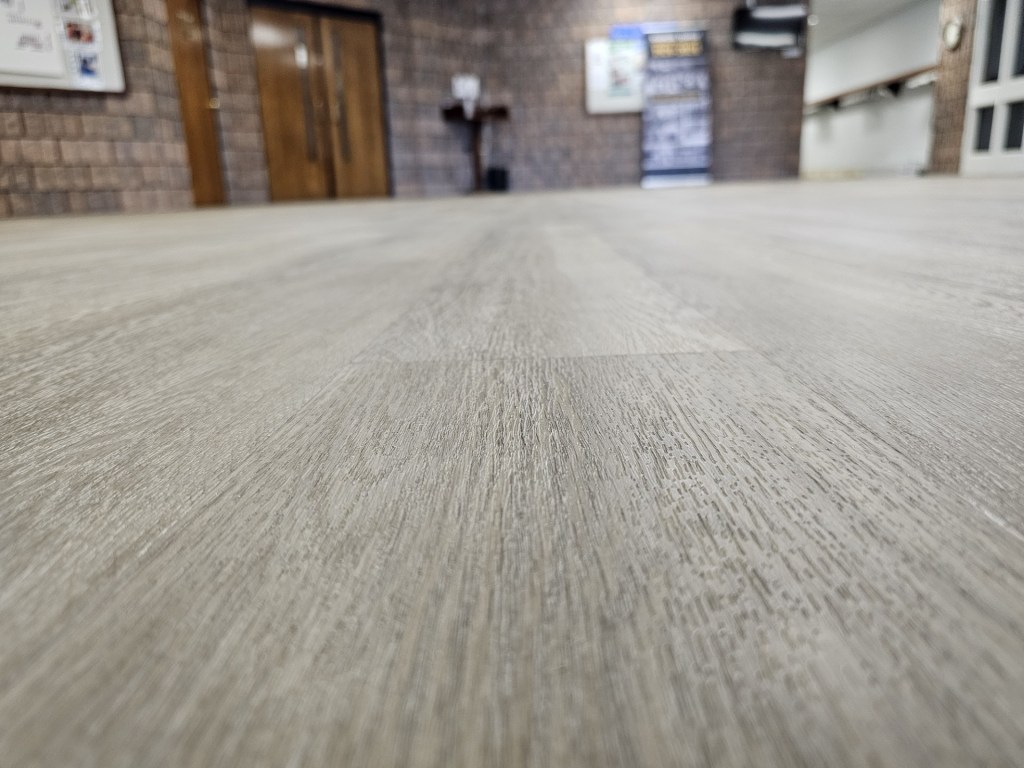
Glue down LVP (Luxury Vinyl Plank) is very similar to LVT, it’s waterproof, flexible, DIY friendly, and can go over almost any subfloor. Even though it is incredibly similar, there are still some differences that could help you make your decision. Because LVP is designed to look like wood, there are more options of where you can put it. Objectively speaking, you could put vinyl tiles in a bedroom, but it is a bit odd. A floor that it designed to look like wood can truly go anywhere, mimicking hardwood and carrying that Farmhouse feel into every space. LVP does not have a locking system to worry about. Even the products with a tongue do not rely on that to hold your floors together. So if you have rolls or imperfections, you don’t have to worry about the locking system snapping and damaging the boards over those low spots. Speaking of damaged boards, much like LVT, these planks are easy to remove one at a time, if the need arises. Able to be glued down on, above, or below grade, LVP is a great choice for an older home, especially if you want to carry the same flooring throughout your home.
Carpet

Carpet is a great choice for older (or slightly wonky) homes. Because carpet is a woven material, it essentially “flows” over and around humps, rolls and odd corners. It’s soft and warm underfoot, so it can help to insulate in those drafty farmhouses, and it’s a great sound insulator for those creaky old subfloors. Carpet is also a super safe choice, you don’t have to worry about slips, and if you do trip, there is something soft to land on. It can be installed on foam underpad, or glued directly to your subfloor. The only downside, is that this type of flooring can cause damage to your subfloor. If you install with underpad, there are staples that go directly into your subfloor, and with glue down, there will be adhesive leftover if you decide to tear it up. This being said, if you are not worried about preserving your original hardwood floors, this likely won’t be an issue for you. You can enjoy your carpet and it’s many benefits.
Sheet Vinyl
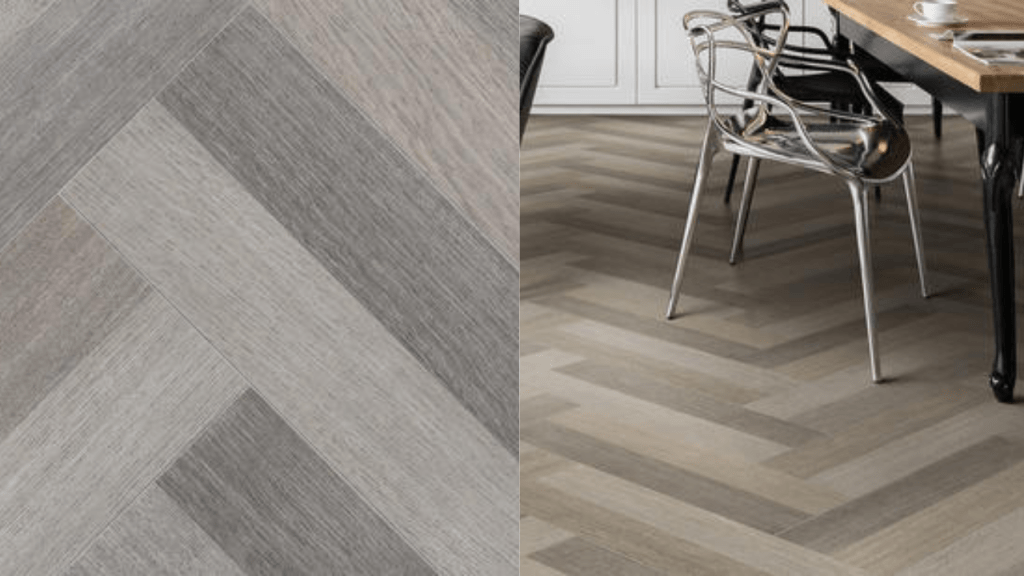
I personally love this option, and I know that lots of others do as well. Sheet vinyl is commonly known as linoleum, which is a different product, and is primarily made of linseed oil. We carry sheet vinyl, not linoleum, but if you come in asking about linoleum, we will know what you mean. Sheet vinyl, much like carpet, is one large piece that rolls over any dips, and can be cut to accommodate odd walls other imperfections. It is completely waterproof, and most even have a degree of cushioning. You can lay it loose, glue around the perimeter, or glue the whole thing down, but we suggest gluing the whole area. This makes sheet vinyl all the more durable, and helps it to last for years to come. There really is nothing like a well installed sheet vinyl floor when it come to standing up to traffic, and day to day life.
Loose Lay Vinyl Plank
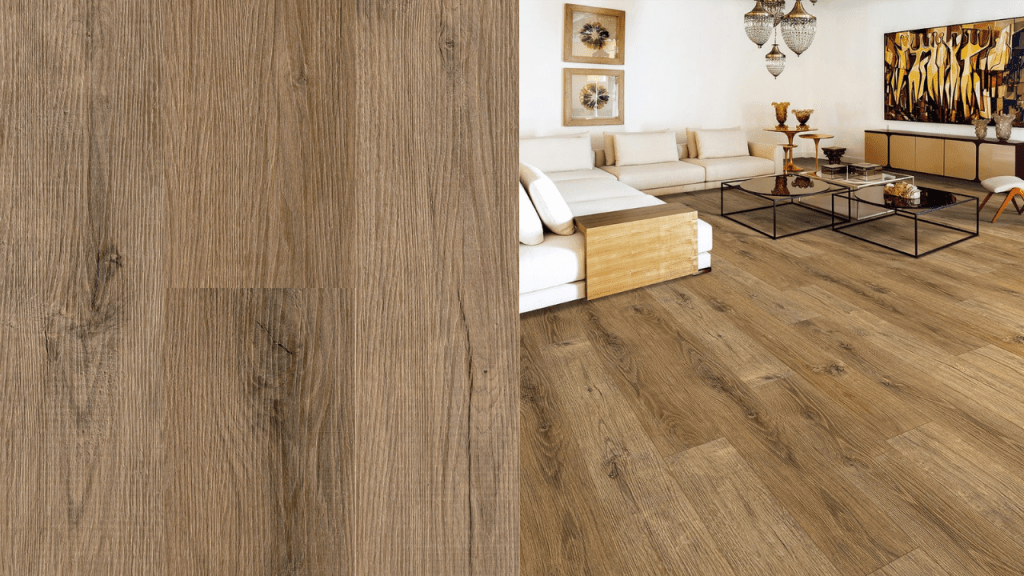
Loose lay vinyl plank is sort of a hybrid of a click vinyl plank and a sheet vinyl, while also boasting that rustic, cohesive farmhouse style. Waterproof, and made to look like wood planks, loose lay floats without adhesive, like a click vinyl plank (but without the locking system), and is flexible, like sheet vinyl. They flex to completely cover dips and rolls in your floors, basically, these planks are like thick strips of sheet vinyl, but even more durable. And, if for some reason a plank does become damaged, it is extremely easy to pull up and slap another one down in its place. Loose lay planks are designed to be butted up against each other and stay together using gravity and friction. You can glue them down using the same methods as sheet vinyl, but you don’t have to, which can make this product all the more DIY friendly. There isn’t a product that I enjoy installing more, or recommending to customers than loose lay vinyl plank.
Hopefully you’ll find some of these tips helpful to work with, not against your beautiful older home. All of these products are fantastic, and are products that we install regularly in our area. So, look ahead to design trends, but lean into that small town charm that comes with your unique home. We would love to help you update your home, and thoughtfully replace “what’s under your feet!”
 What's Under Your Feet?